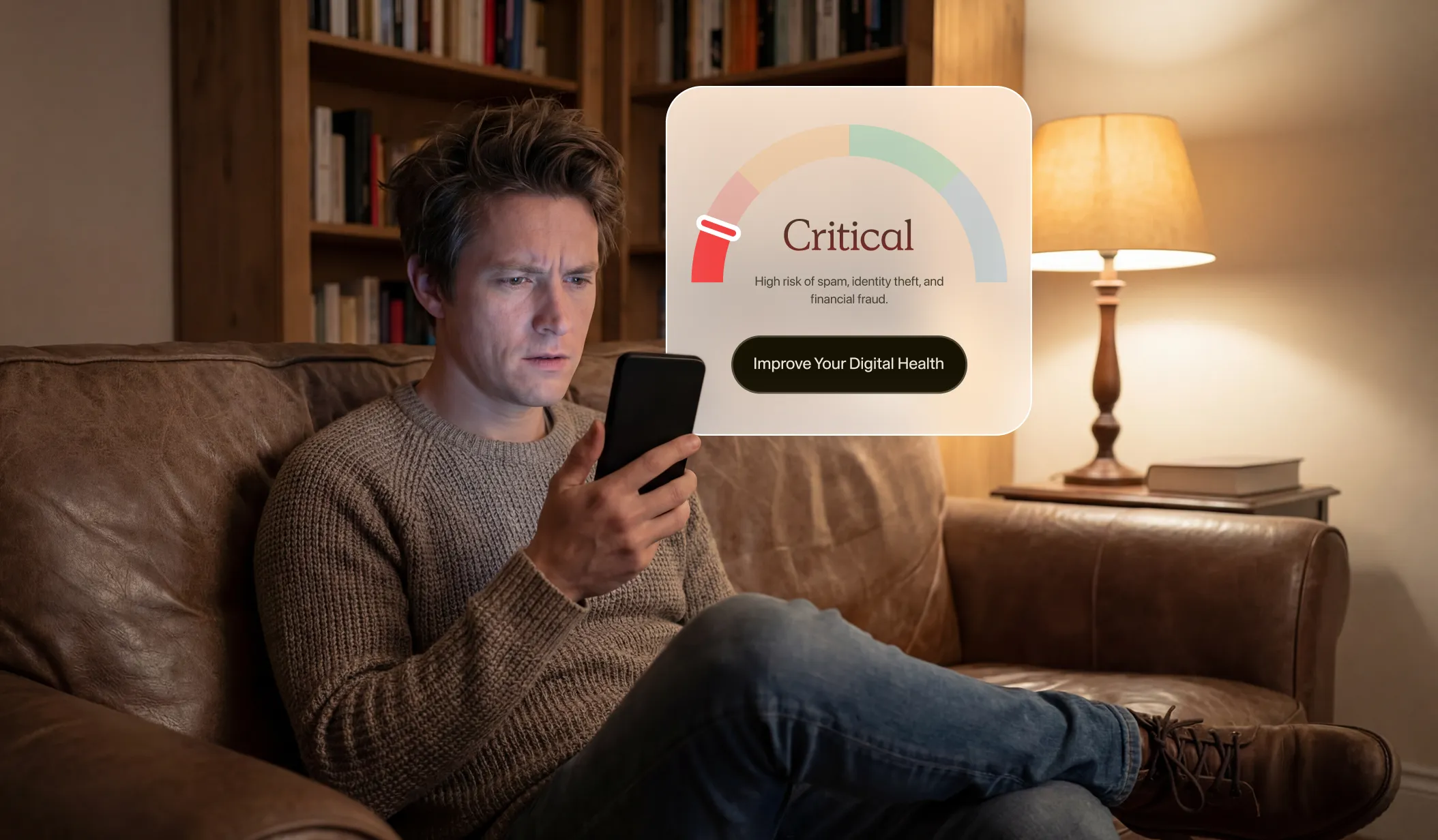
If you got a breach notice and thought, “Who is CareCloud, and why are they in my mail?” you’re not alone. CareCloud says an unauthorized party accessed one of its AWS environments between March 10–16, 2026, and the HHS breach listing puts the impact at 3,756,469 people . The uncomfortable part is the gray area: what was taken, what wasn’t, and what’s still not confirmed. Let’s break down what happened, what it can mean for you, and the practical steps that actually reduce risk.
What Happened (and What We Still Don’t Know)
CareCloud’s public story starts in March 2026, when the company disclosed a cyber incident through an SEC filing, saying the attack caused an 8-hour network disruption and cut access to one of its databases. At that point, the core takeaway was simple and scary: the affected environment contained patient data, and there was a risk that sensitive medical information could’ve been accessed.
Later, after digging in, CareCloud tied the activity to a specific window: March 10–March 16, 2026, when an unauthorized third party accessed one of CareCloud’s AWS environments. That matters for two reasons:
- It points to a cloud environment (AWS), not just an “office network” issue.
- It suggests the attacker had enough access to touch databases inside that environment.
Here’s the part that leaves people stuck in that gray area: CareCloud says the unauthorized party “claimed to have exfiltrated data” from databases in that AWS environment. Claimed is doing a lot of work in that sentence. It can mean CareCloud didn’t have perfect visibility into what was actually copied out, or it can mean they’re being careful with wording while the investigation and legal process play out.
What we can say with confidence
- The incident is being reported as a CareCloud healthcare data breach affecting 3,756,469 people (as reported to HHS).
- Notification letters started going out July 25, 2026 with the AWS access window and the “claimed exfiltration” language.
What’s still not clear (and why that matters to you)
- Exactly what data was taken. The sample notification shared with authorities doesn’t clearly specify exposed data types beyond full names. If you’re trying to judge your risk (identity theft vs. medical identity fraud vs. phishing), that missing detail is a big deal.
- Who did it. As of the reporting referenced here, no ransomware or extortion group has taken credit. That doesn’t mean it wasn’t an extortion-style attack. It just means there isn’t a public “signature” to anchor expectations around what happens next.
If you’re reading this with that uneasy “So… was it my Social Security number or just my name?” feeling, you’re reacting correctly. When breach details are incomplete, the safest move is to treat this as a real exposure risk and act like scammers will try to fill in the gaps themselves.
If You Don’t Recognize CareCloud, Here’s Why You Might Still Be Affected
That “Who are they?” reaction is common with vendor breaches. CareCloud isn’t a hospital brand most patients interact with day-to-day.
CareCloud is a healthcare IT company that provides electronic health records (EHR), medical billing, practice management, and revenue-cycle services. That’s the behind-the-scenes plumbing that keeps appointments, claims, and records moving.
The “vendor behind the scenes” reality
You can end up in a CareCloud system even if you never made an account with CareCloud, downloaded an app, or signed a CareCloud form.
A lot of practices use third parties for things like:
- Billing and claims workflows (where statements, insurance details, and payment-related data live)
- EHR tooling (where clinical and administrative info gets stored and accessed)
- Practice management systems (scheduling, patient demographics, intake info)
- Revenue-cycle management (the full “visit → coding → claim → payment” chain)
Why the notice might be your first time hearing the name
CareCloud itself has said it does not have a direct relationship with patients, which is why many impacted people will likely be seeing “CareCloud” for the first time in a breach notice.
Here’s what that means in plain terms:
- Your clinic/hospital is CareCloud’s customer.
- You’re the patient whose data may sit in the vendor’s systems.
- The breach notice can feel “out of the blue” because the business relationship wasn’t with you.
If you’re unsure whether a letter is legit, don’t start by clicking anything. Start by confirming whether your provider uses CareCloud for billing or records, then match that to what the notice says.
What To Do in the Next 30 Minutes (No Panic, Just Control)
When breach details are fuzzy, scammers rush in to “clarify” them for you. Reports on the CareCloud incident explicitly warn people to stay on high alert for phishing attempts leveraging stolen data.
Here’s the 30-minute plan that cuts risk fast.
Step 1: Do a 5-minute phishing triage (stop the easy wins)
Assume you’ll see emails, texts, and calls that reference:
- your clinic name, “CareCloud,” or “patient account updates”
- “final notice,” “urgent,” “verify now,” “you must act today”
- refunds, bills, insurance “reprocessing,” or benefit issues
Rules that keep you safe:
- Don’t click links in breach-related messages, even if they look official.
- Don’t trust caller ID. If someone calls, hang up and call back using the number on your insurance card or your provider’s website.
- Never share one-time codes (SMS or authenticator). If they ask, it’s a takeover attempt.
- Treat attachments as hostile (PDFs, “secure messages,” zipped files).
Step 2: Lock down your financial identity basics (10–15 minutes)
This is about making it hard for someone to open credit in your name.
Pick one of these:
- Credit freeze (strongest): blocks most new-credit applications until you lift it.
- Fraud alert (lighter): lenders are told to take extra steps to verify identity.
Then do the basics:
- Review recent bank/credit card activity for anything you don’t recognize.
- Turn on transaction alerts (text/email) for withdrawals, purchases, and new payees.
Step 3: Watch for health benefits misuse (10 minutes)
Healthcare breaches can turn into medical identity fraud: someone uses your info to get care, prescriptions, or submit claims.
Check:
- your insurer portal for claims you don’t recognize
- new dependents added
- address/email/phone changes you didn’t make
- odd EOBs (Explanation of Benefits) arriving for visits you never had
If something’s off, call your insurer’s fraud/support line and ask them to flag the account. Keep notes: date, time, rep name, and ticket number.
Use the Free Help You’re Offered (IDX) — and Don’t Miss the Deadline
Once you’ve handled the immediate risks, take the free support if you got it. CareCloud says notification recipients are being offered 12 or 24 months of identity protection through IDX, and it’s redeemable until December 17, 2026.
That deadline matters. People mean to “do it later,” then the code gets buried under mail and life.
What to do with your CareCloud breach notice (5–10 minutes)
Use the paper letter as your source of truth.
- Find the IDX enrollment instructions in the notice (site + enrollment code).
- Type the web address yourself in your browser instead of clicking links from email/text.
- Save proof: take a photo/screenshot of the confirmation page or email after you enroll.
- Set a calendar reminder for when the monitoring term ends (12 or 24 months). Put it on your calendar the same day you enroll.
What identity monitoring helps with (and what it won’t do)
Identity protection is good at early warning. It can alert you when something looks off so you can react faster.
It won’t:
- rewind time and “take back” data that may have been exposed
- stop every scam call, phishing text, or fake “patient billing” email
- prevent someone from trying stolen details on unrelated accounts
How to use IDX without getting a false sense of safety
Treat monitoring as one layer, not the whole plan.
- Keep your credit reports on your checklist (monitoring can flag issues, but you still want eyes on the source).
- Keep watching for medical identity fraud signals: claims you don’t recognize, new dependents, or benefit changes you didn’t request.
- Be stubborn about verification: if someone contacts you “about your IDX enrollment” or “to confirm your breach eligibility,” assume it’s a trap until proven otherwise.
The goal here is simple: catch problems early, while you’re still in control of the outcome.
A Practical Privacy Upgrade After a Healthcare Breach (So This Doesn’t Follow You Around)
Identity monitoring helps you spot damage. Privacy habits help reduce how much damage is possible next time.
After a healthcare data breach, one of the most common long-tail problems isn’t a dramatic one-time theft. It’s the slow grind: spam that never stops, phishing that gets more convincing, and account takeover attempts that keep coming back because your core contact info is now widely reused.
The simple idea: stop handing out your “forever” contact details
Your primary email and main phone number tend to become your master keys:
- They’re used for logins
- They receive password reset links/codes
- They’re what banks and insurers use to verify you
If those details are spread across dozens of portals, vendors, intake forms, and “optional” patient surveys, a single vendor breach can turn into years of noise.
A practical split that works for most people
Keep two lanes:
Lane A: Real identity (keep it tight)
Use your real phone/email only for:
- your bank and credit cards
- your main email provider
- insurance portals
- your pharmacy
- any account that can move money or access benefits
Lane B: Everything else (use disposable contact points)
Use alternate contact info for:
- non-critical medical forms where it’s optional
- “request an appointment” pages
- provider marketing lists and newsletters
- wellness apps, telehealth trials, patient community platforms
- any site that asks for phone/email before it proves it needs it
Where Cloaked fits (without changing your life)
If you want a low-effort way to do Lane B, tools like Cloaked let you use masked emails and virtual phone numbers so you’re not giving away your primary contact details on every form.
This isn’t about being paranoid. It’s about damage control:
- If a vendor leaks your masked email/number, you can turn it off or replace it.
- Your real inbox and real phone stay quieter, which makes it easier to spot the few messages that actually matter.
Quick checklist for the next week
- Make a short list of accounts that use your primary email/phone.
- Change the ones that don’t need it to an alternate.
- Tighten your “reset path”: whichever email/phone can reset your most important accounts should be the least shared.
- When a form says phone/email is “required,” pause and ask: Required for care, or required for their database?
.