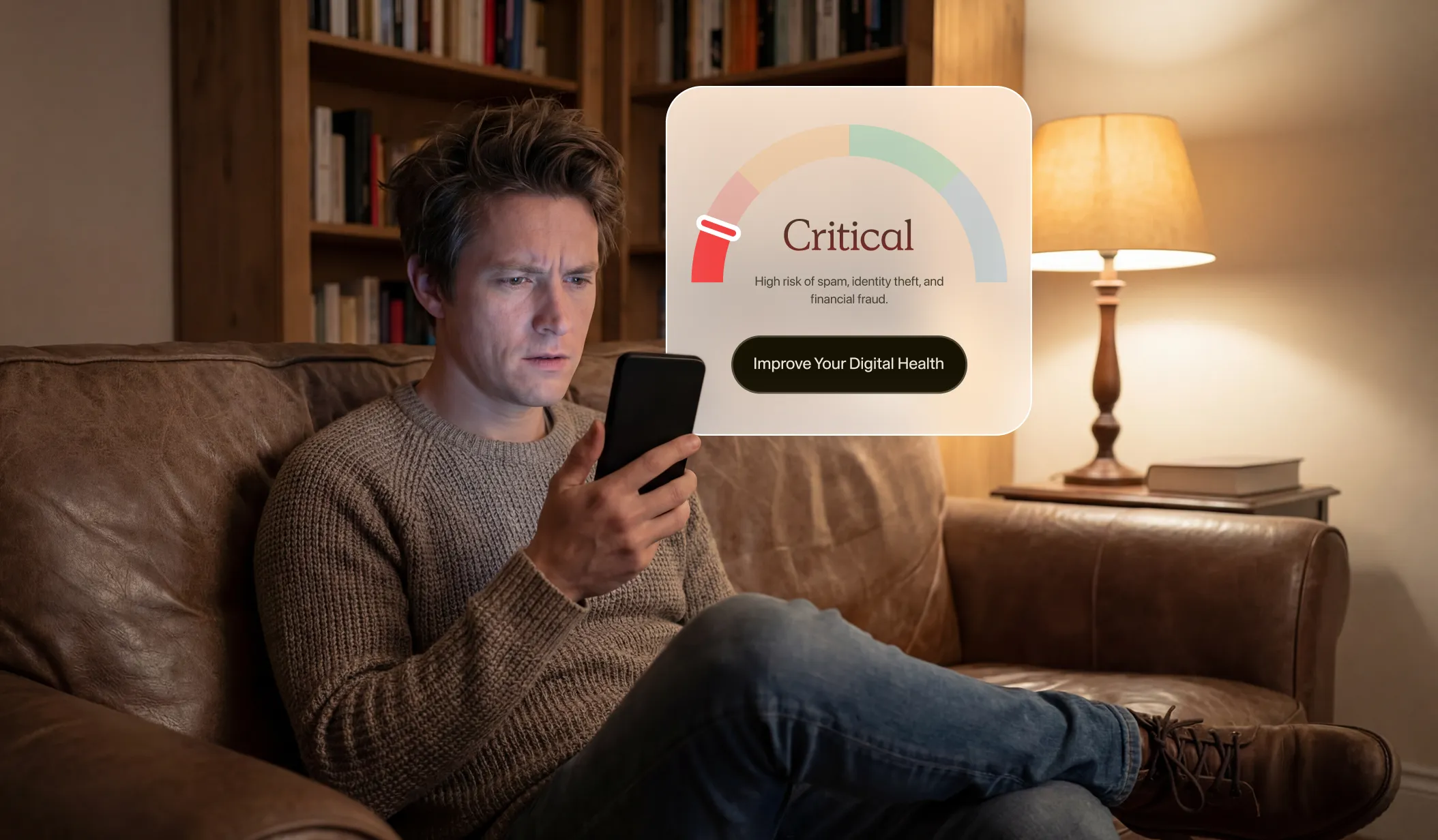
Yes, Snapchat can be hacked. Attackers gain unauthorized access through phishing, credential stuffing, malware, and social engineering: techniques that target your password, verification code, or linked email rather than Snapchat's servers directly. In January 2026, the US Department of Justice charged an Illinois man who impersonated Snap support and texted over 4,500 users requesting access codes, gaining entry to dozens of accounts. Understanding how Snapchat accounts are compromised is the first step to protecting your private photos, messages, and personal information.
What Data Points Were Leaked?
The recent Snapchat hack wasn’t just about a few embarrassing pictures slipping out. It was a calculated attack targeting a wide range of private user data. Here’s what was actually at stake:
Data Compromised
- Private Photos and Videos: The hacker gained access to the “Memories” section, a place where users often store personal, sometimes sensitive, snaps they thought were safe.
- Personal Information: Names, email addresses, phone numbers, and account credentials were exposed. For some, this meant their entire online identity was suddenly vulnerable.
- Saved Chats and Contacts: Access to direct messages and contact lists meant more than just photo leaks—entire conversations and friend networks were exposed.
How the Breach Happened
This wasn’t some sophisticated malware or a Hollywood-style hack. The attacker used phishing—sending fake messages that appeared to come from Snapchat itself, tricking users into handing over their login codes. Once these codes were in the wrong hands, the attacker logged in, bypassed two-factor authentication, and got full access.
How Do Snapchat Accounts Get Hacked?
A Snapchat account is hacked—or compromised—when someone gains unauthorized access to it. Attackers do not always rely on advanced technical exploits. Many Snapchat account hacks begin with stolen login details, deceptive messages, weak account security, or access to a linked phone number or email address.
Common methods used to compromise Snapchat accounts include:
- Phishing pages: Attackers may send links to fake Snapchat login pages through email, text messages, social media, or direct messages. Information entered on these pages is sent to the attacker, who can then use it to access the real account.
- SIM-swapping attacks: A scammer may trick a mobile carrier into transferring a victim’s phone number to another SIM card. This can allow the attacker to intercept SMS verification codes or attempt an account recovery.
- Spyware and keyloggers: Malicious software installed through unsafe downloads, suspicious links, or compromised apps may record login details or monitor activity on a device.
- Unofficial third-party apps: Apps or websites that promise features such as Snap score boosts, secret account insights, or additional viewer information may request Snapchat credentials. These details can then be stored, exposed, or misused.
- Compromised email accounts: If someone gains access to the email address linked to Snapchat, they may be able to request a password reset and take control of the account.
- Reused or weak passwords: Credentials exposed in an unrelated data breach may be tested against Snapchat and other platforms. Reusing the same password across accounts makes this type of attack more likely to succeed.
Understanding how Snapchat hacking occurs can help you recognize suspicious activity and secure the accounts, devices, and recovery methods connected to your profile.
Scale of the Breach
One individual managed to compromise nearly 600 Snapchat accounts, targeting young women across the United States. This wasn’t a faceless, random act—victims were handpicked, and the attacker persistently went after new targets over several years.
Key takeaway: If you use Snapchat and have ever received a message asking for your login code or personal details, your data could have been at risk. Phishing scams don’t discriminate; they count on people trusting what looks like a legitimate request.
Should You Be Worried?
When a platform as massive as Snapchat faces a data breach, it’s normal to feel uneasy. The impact can reach far beyond just having your username leaked. Let’s break down exactly what’s at stake.
Immediate Risks to Your Privacy
A leaked database—especially one tied to a social platform like Snapchat—means that personal information, such as phone numbers, emails, or even private snaps, could be exposed. Here’s why that matters:
- Identity Theft: Hackers can use your personal details to impersonate you or access other accounts.
- Phishing Attacks: If your email or phone number is out, expect a spike in suspicious messages and scam attempts. Cybercriminals craft messages that look real, tricking you into sharing even more data.
- Account Takeovers: With leaked credentials, attackers might try to break into your other accounts—especially if you reuse passwords.
Threats to Personal Security
It’s not just about privacy. There’s a real risk to your personal safety:
- Doxxing: Your information could be posted online, exposing you to harassment or threats.
- Stalking: Strangers could piece together your digital footprint to track your movements or contact you offline.
- Financial Fraud: If hackers access sensitive info, they might target your bank accounts or payment apps.
The Psychological Toll
It’s easy to overlook the emotional impact, but don’t. People affected by data breaches often feel:
- Anxiety and Stress: Worrying about who has your data and what they might do with it can keep you up at night.
- Loss of Control: There’s a sense of helplessness when your private details are floating around online.
- Distrust: You may start questioning every app or service you use, doubting their promises to protect your data.
Many find themselves constantly checking for suspicious activity, second-guessing every unexpected email or notification. It can feel like you’re always looking over your shoulder.
What Can You Do?
While you can’t undo a leak, you can reduce your risk. This is where privacy tools, like those from Cloaked, come in handy. Cloaked lets you create masked emails and phone numbers, so even if a breach happens, your real contact info stays hidden. This means less fallout if your alias gets exposed.
The aftermath of a data breach isn’t just technical—it’s deeply personal. Taking steps to protect your privacy can help you regain a sense of control and peace of mind.
How to Protect Your Snapchat Account from Hacking
Snapchat uses encryption to protect messages in transit, but account security ultimately depends on the steps you take. These five measures significantly reduce the risk of unauthorized access:
Enable two-factor authentication (2FA). Go to Settings > Two-Factor Authentication and select SMS or an authenticator app. Even if a hacker obtains your password, they cannot log in without the one-time code.
Use a strong, unique password. Avoid reusing passwords from other accounts. A compromised email or another platform's breach can cascade into your Snapchat account.
Secure your linked email. Attackers who control your email can trigger a Snapchat password reset and lock you out. Enable 2FA on your email account as well.
Review active sessions. Go to Settings > My Account > Session Management. Log out of any device or browser you do not recognize.
Never share verification codes. Snapchat will never ask for your login code by text or direct message. Any message requesting a code, even from a contact, is a phishing attempt.
What Should Be Your Next Steps?
Snapchat can feel like a safe haven for private chats and fleeting photos, but your account is only as secure as the steps you take. A single lapse—like reusing a password or clicking a suspicious link—can open the door for trouble. Here’s how you can tighten your defenses and protect both your Snapchat account and personal data.
1. Strengthen Your Passwords
- Use long, complex passwords: Combine upper and lowercase letters, numbers, and symbols.
- Avoid personal information: Never use birthdays, pet names, or anything easily guessed.
- Never reuse passwords: Using the same password for Snapchat and other services is risky. If one account gets compromised, the rest could follow.
Password Managers
Managing strong, unique passwords for every site is tough. Password managers can generate and remember them for you. Consider using one to keep things organized and secure.
2. Recognize and Dodge Phishing Attempts
Phishing is a favorite trick for hackers. It can show up as a fake Snapchat login page or a message asking for your details. Stay alert:
- Check the sender’s details: If a message claims to be from Snapchat but looks odd, it’s probably fake.
- Never click suspicious links: Always navigate directly to the Snapchat website or app.
- Look for misspellings and strange requests: These are red flags.
If you get a message that feels off, trust your gut and double-check before responding.
3. Secure Your Account Settings
- Enable two-factor authentication (2FA): This adds an extra step to logging in, making it harder for anyone else to get in.
- Review connected devices and apps: Remove anything you don’t recognize.
- Regularly update your account info: Make sure your email and phone number are current so you can recover your account if needed.
4. Enhance Privacy with Specialized Tools
If you’re serious about privacy, using tools that help mask your real information can add another layer of protection.
- Email masking services like Cloaked let you create new, random email addresses for different sites. If one gets spammed or compromised, your main inbox stays untouched.
- Personal information masking: With Cloaked, you can generate phone numbers and other contact details on demand—giving out your real info only when you choose.
These tools mean you’re not handing out the keys to your digital house every time you sign up for something.
5. Stay Informed
- Regularly check for security updates: Snapchat and privacy tools like Cloaked often release new features or patch vulnerabilities.
- Read up on recent scams: Awareness is your best defense. If you know the latest tricks, you’re less likely to fall for them.
Staying vigilant is a daily habit. A few smart steps now can save you from a major headache later.